An illustrated story · Fictional people and programs
“What happens after I leave?”
Follow one referral from discharge planning to the next morning's call.
Read the illustrated story → Book a workflow review


For referral, admissions, BD and sober living teams
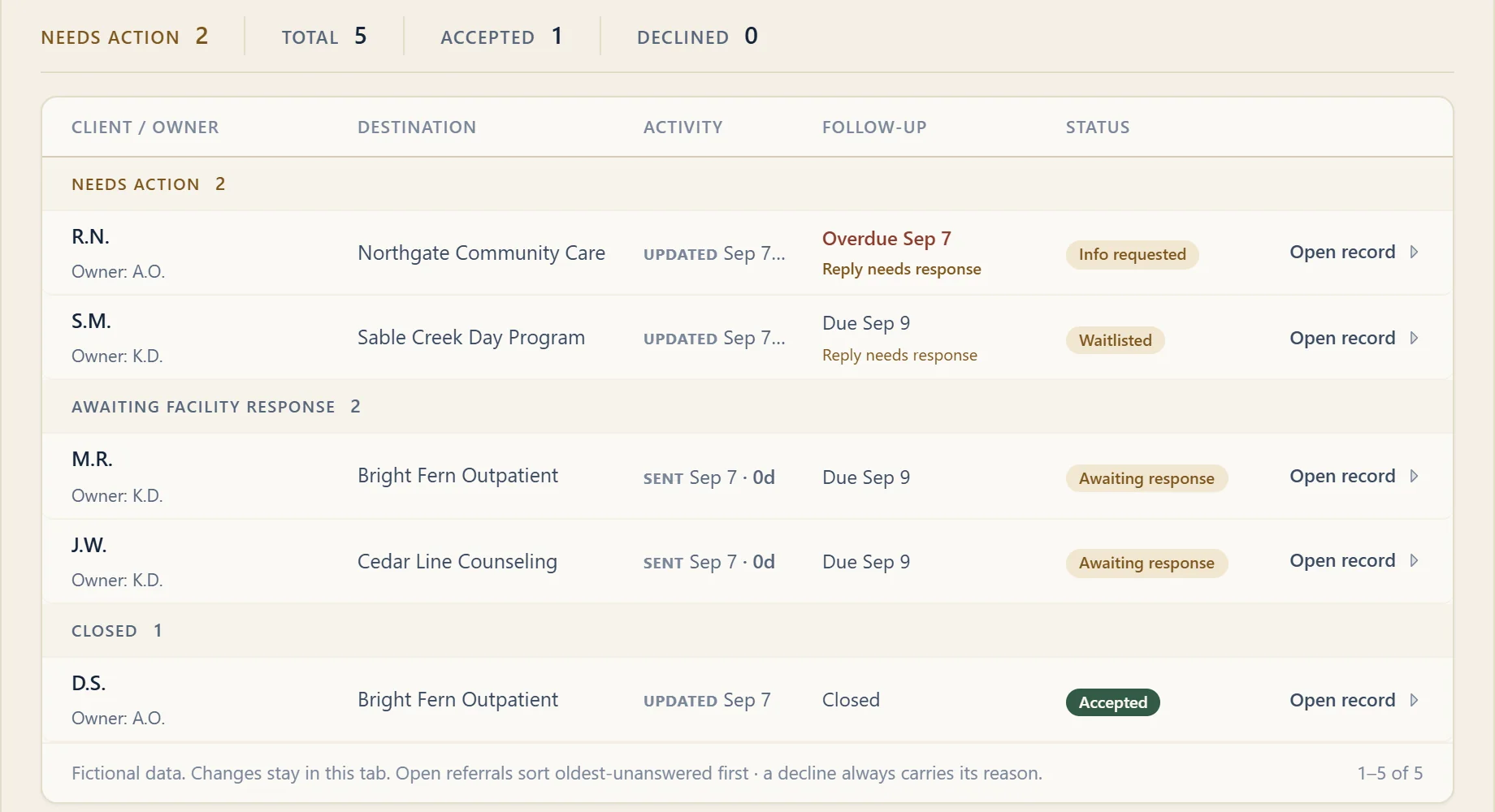
A Program Directory with source context and last-checked dates, plus one place to track every referral, contact and follow-up. No paid placement. No fees per referral.
No sign-up needed to look around: try the interactive demo →
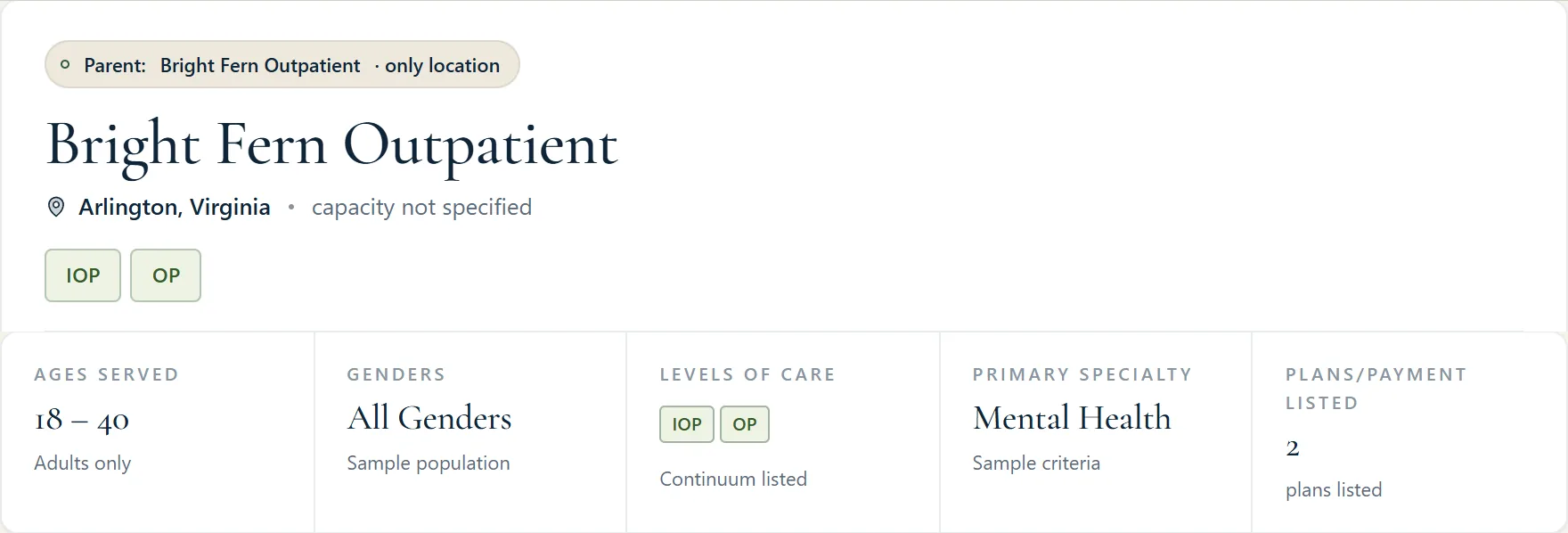
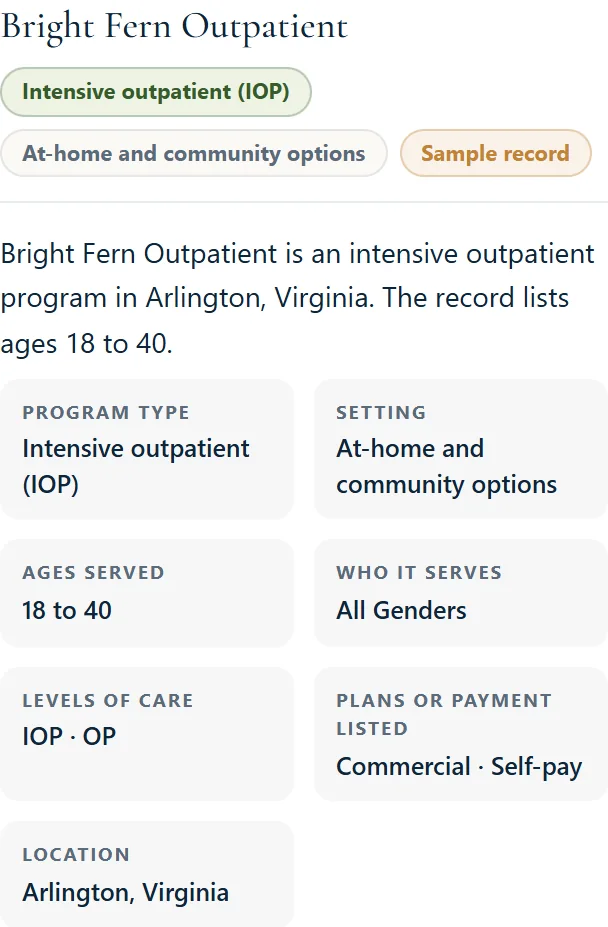
The Program Directory · Customer access only
Community services include peer support, psychosocial rehabilitation, community mental health centers, supportive living and case management.
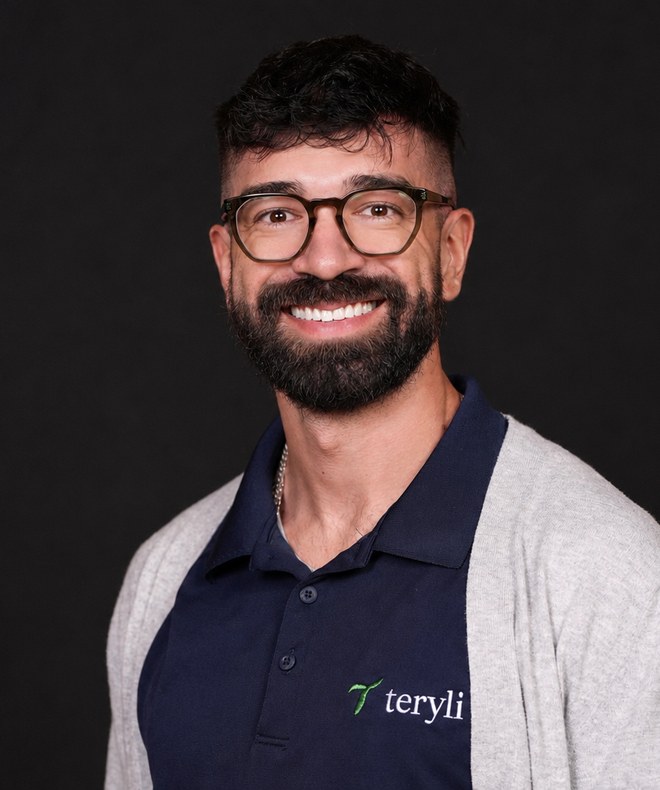
Built by someone who did the job
Five years in behavioral health, first as a case manager and then as a director. Teryli is the record he kept wishing existed: what a program offers, who owns the referral, and when the next call is due.

An illustrated story · Fictional people and programs
Follow one referral from discharge planning to the next morning's call.
Read the illustrated story →